Longread translated automatically

Graphic series, 2021–2022

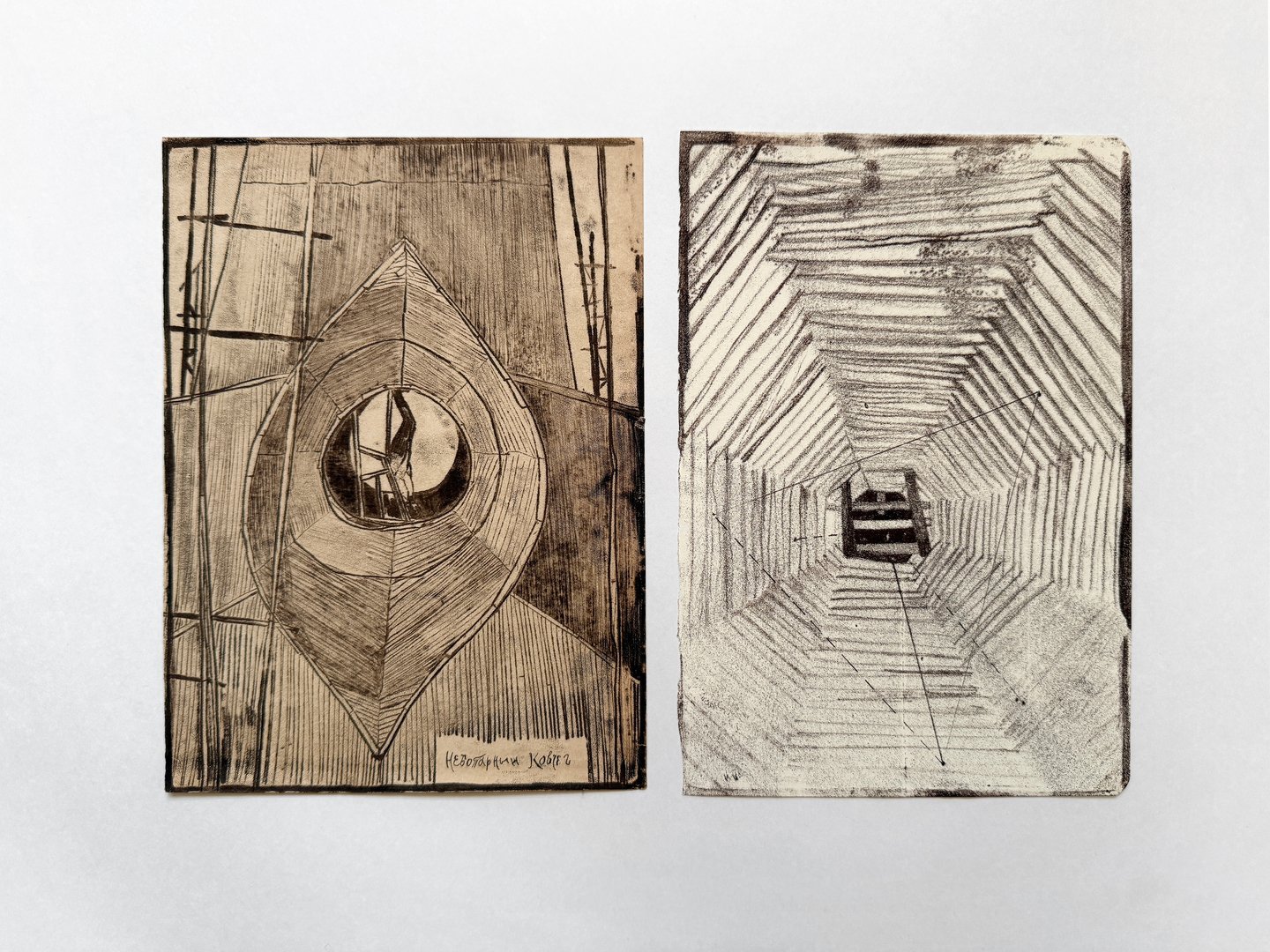
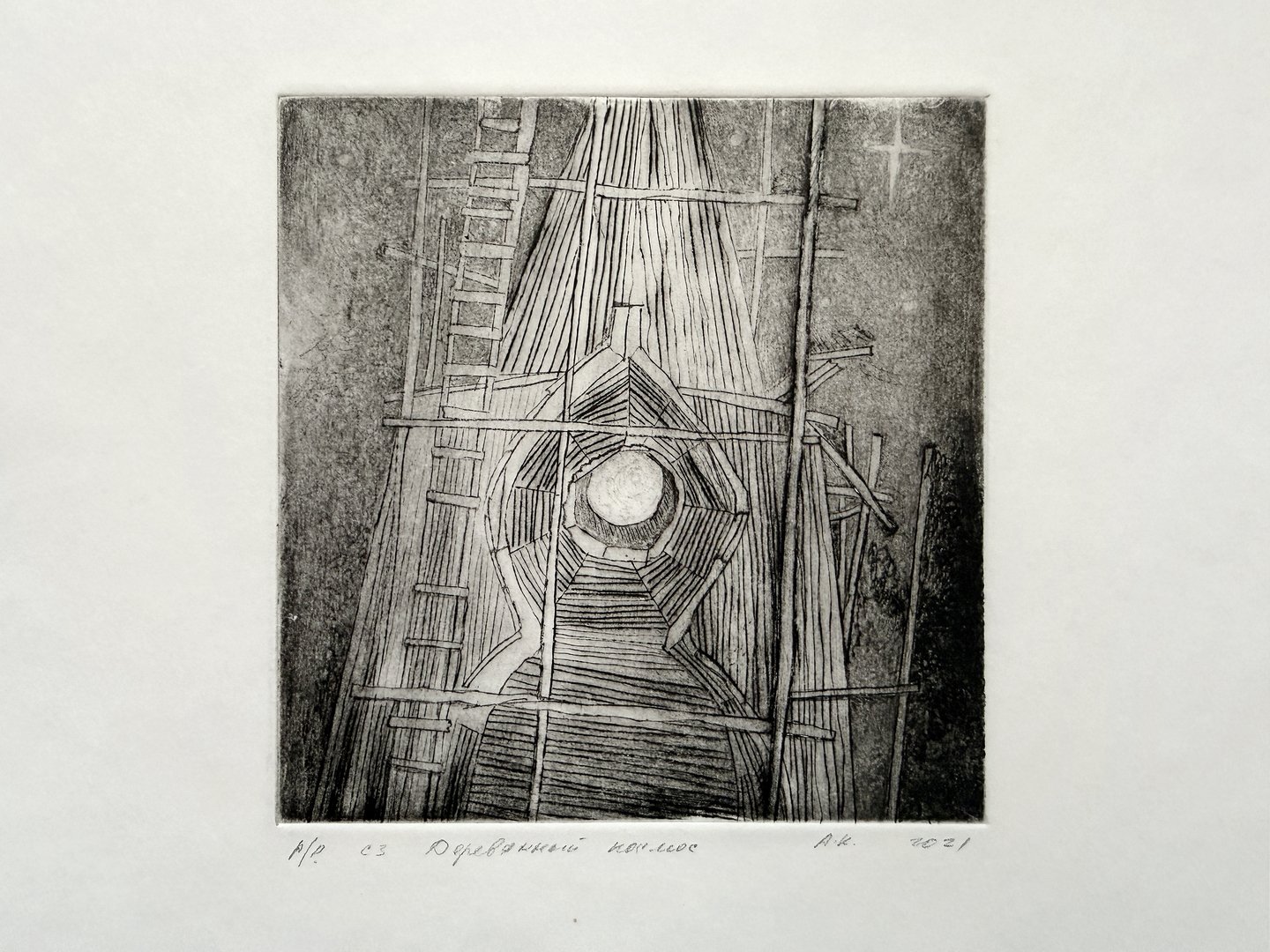
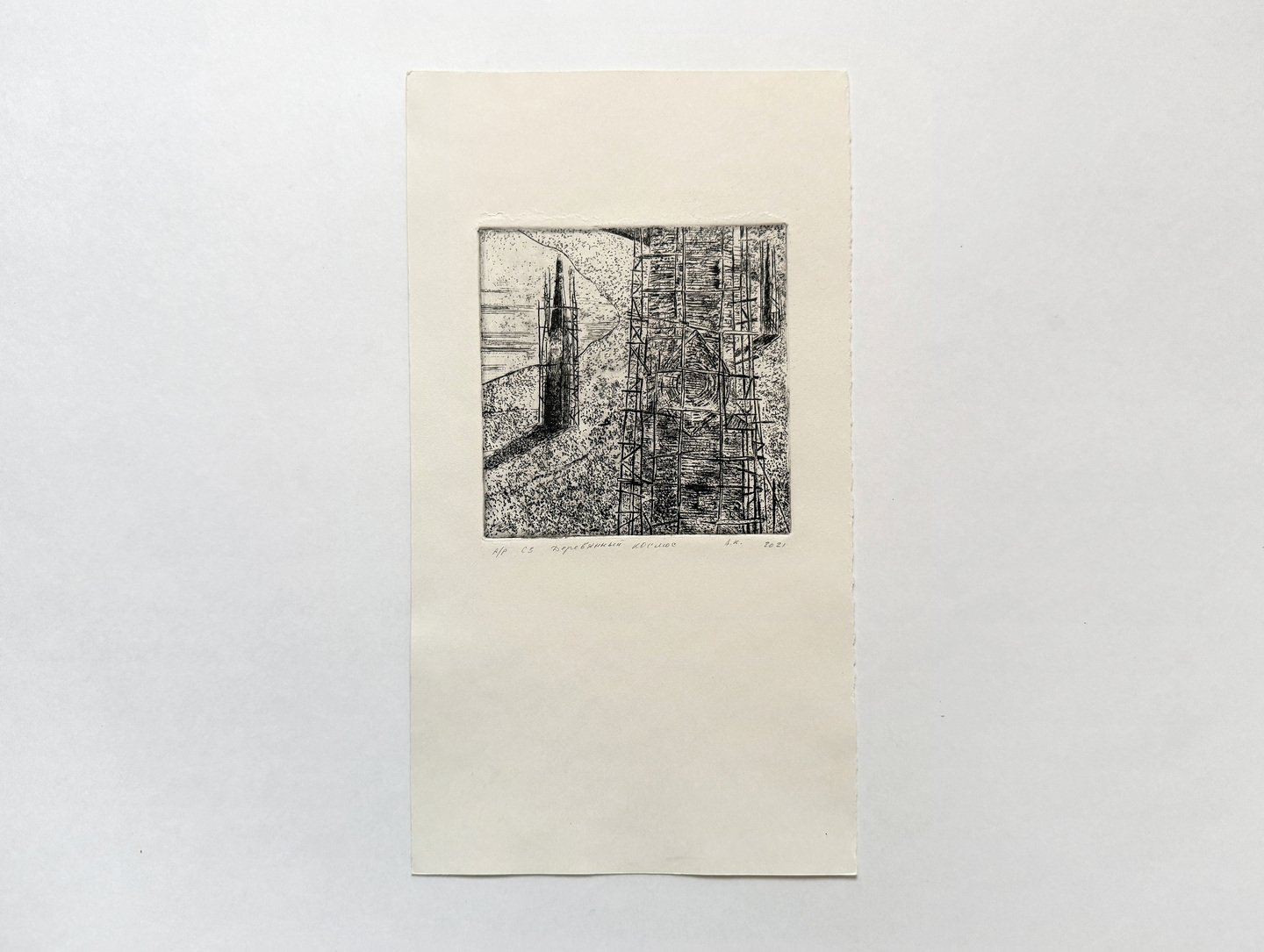
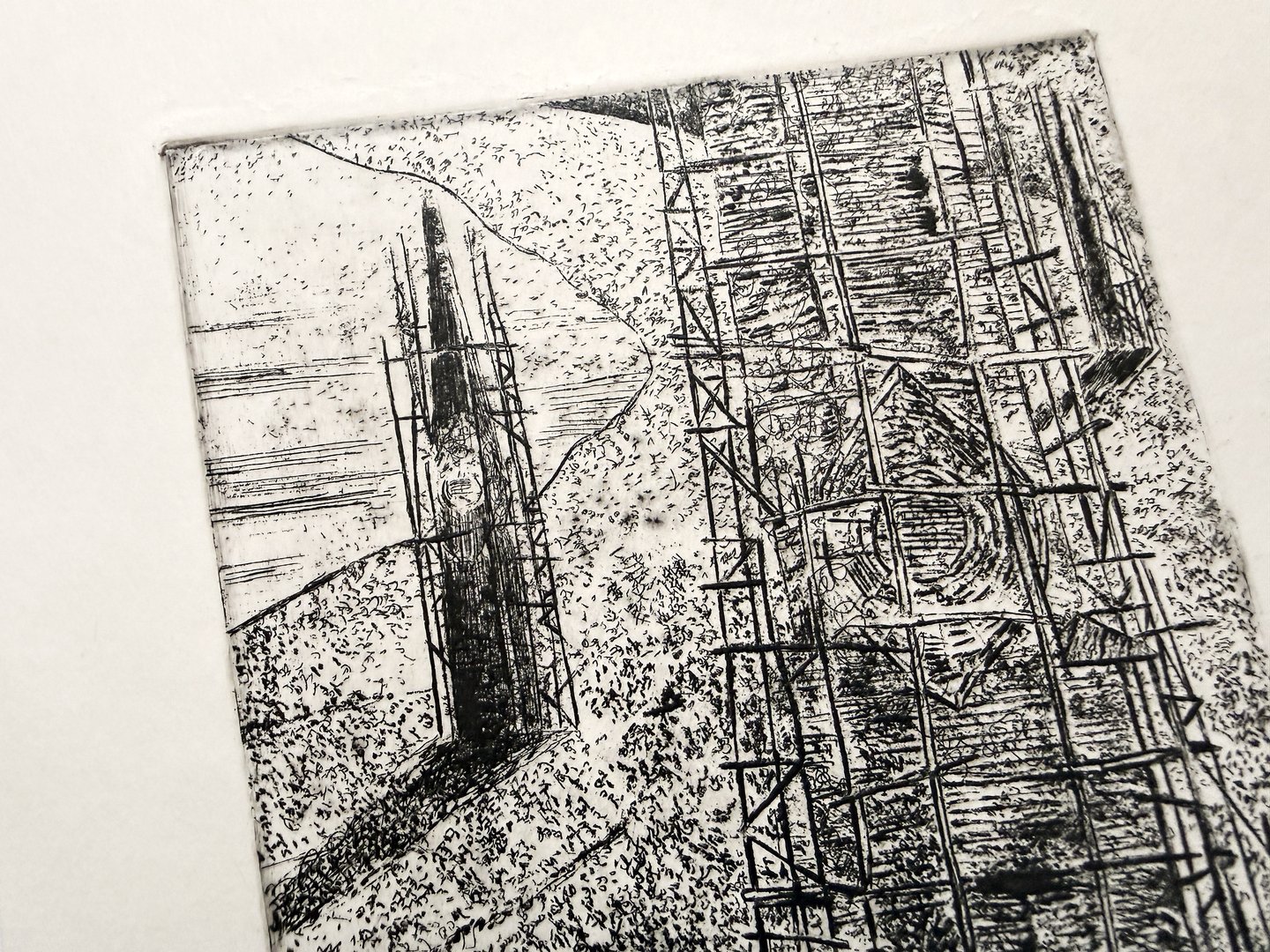
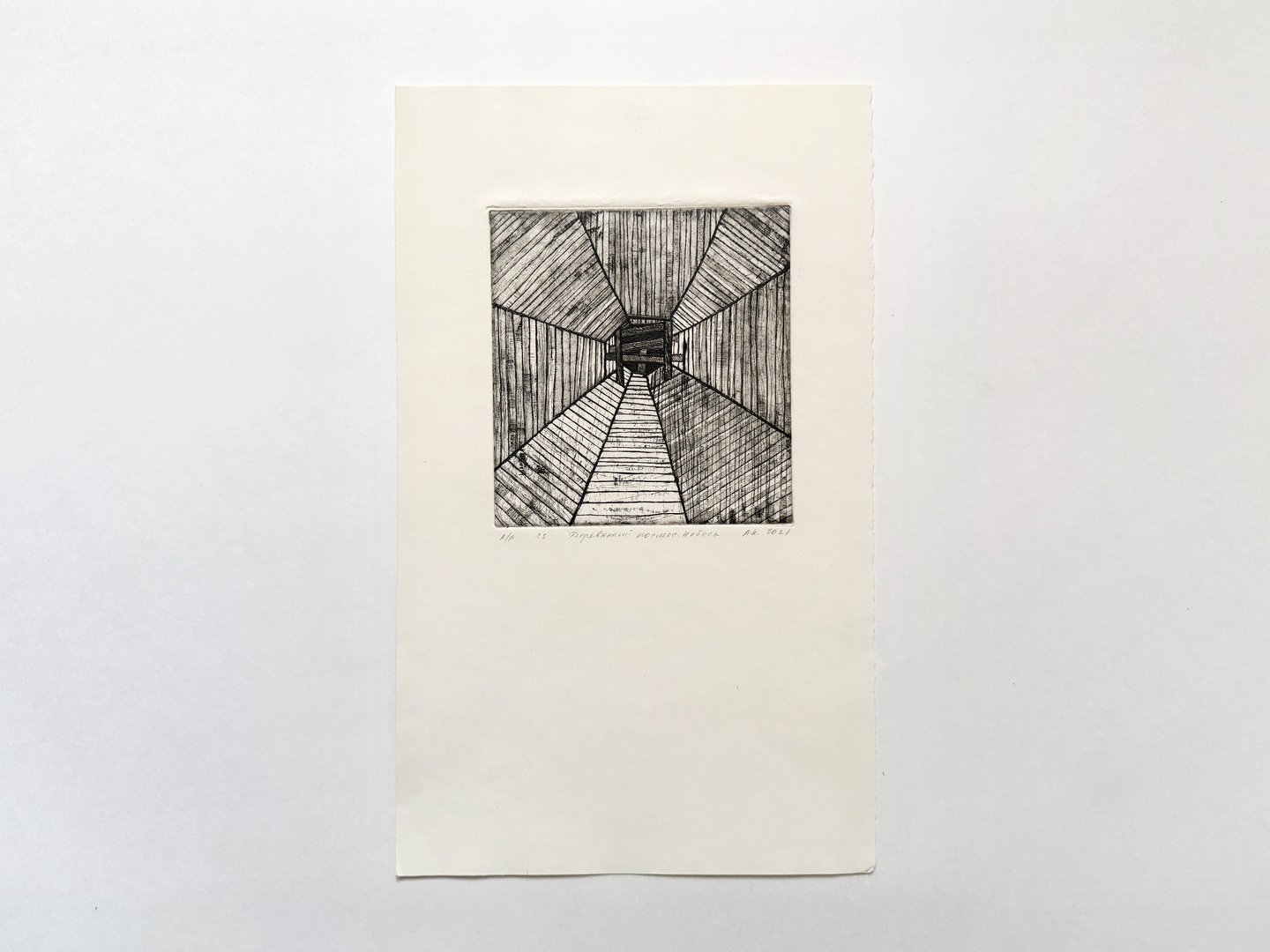
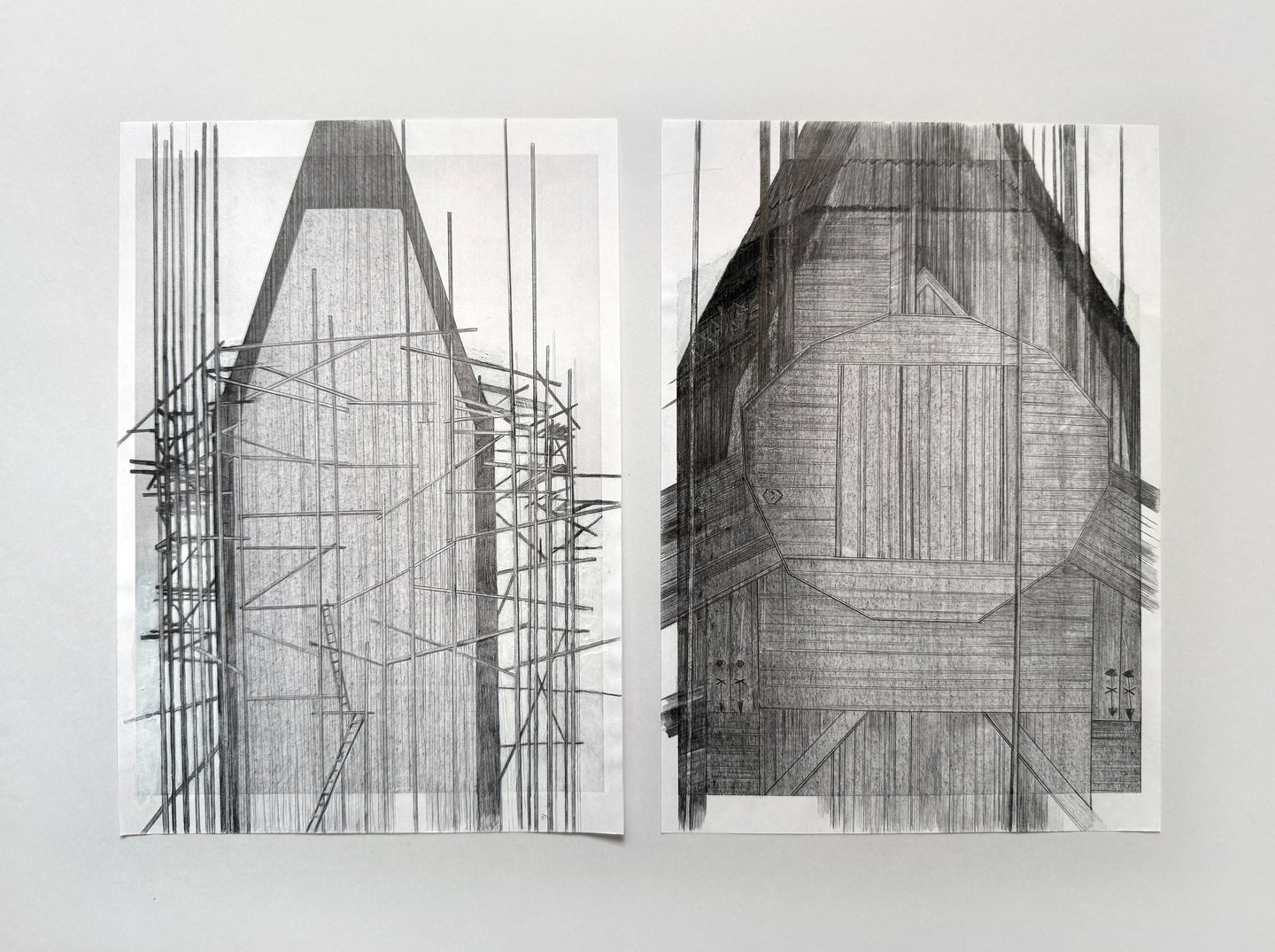
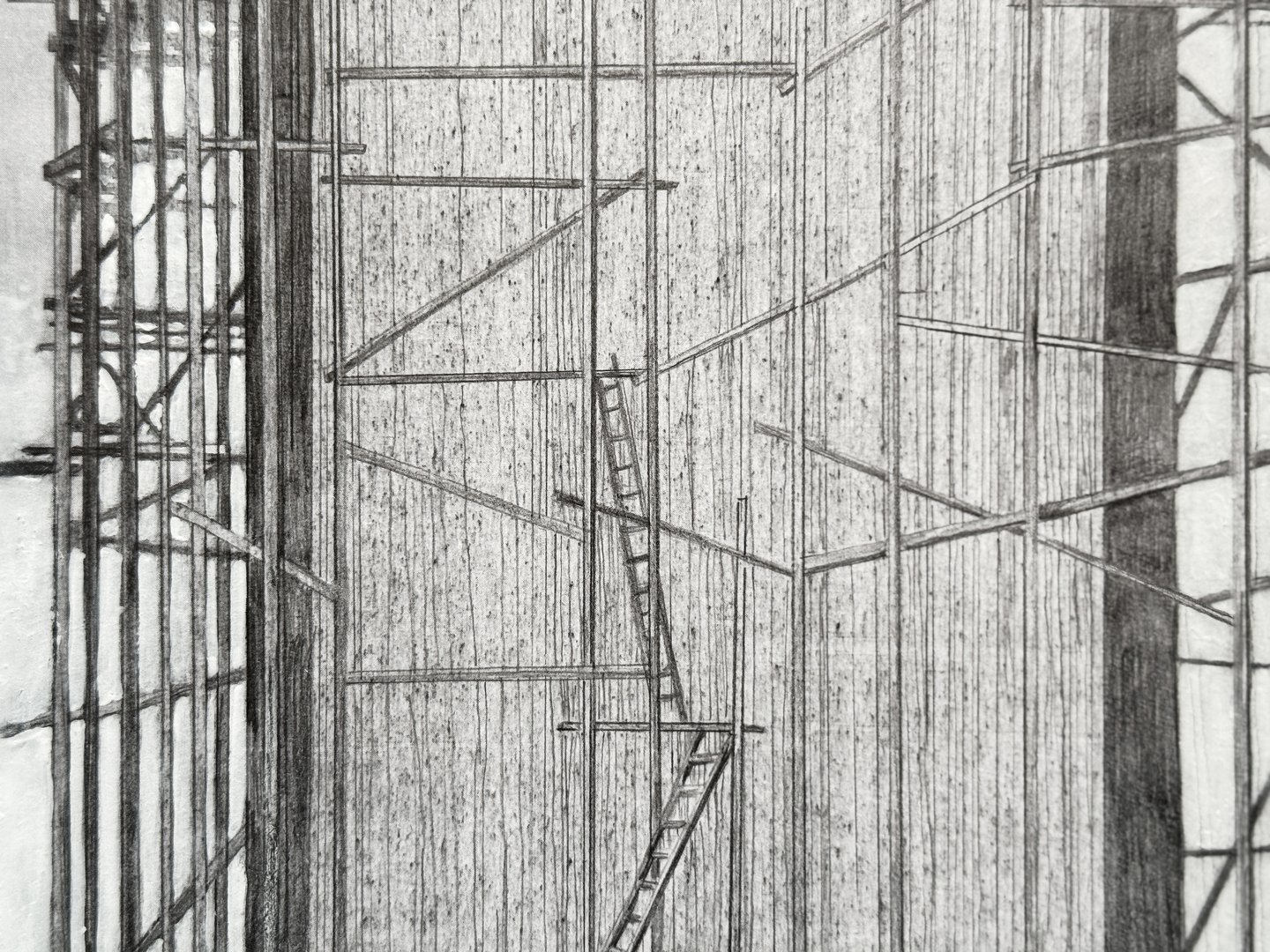
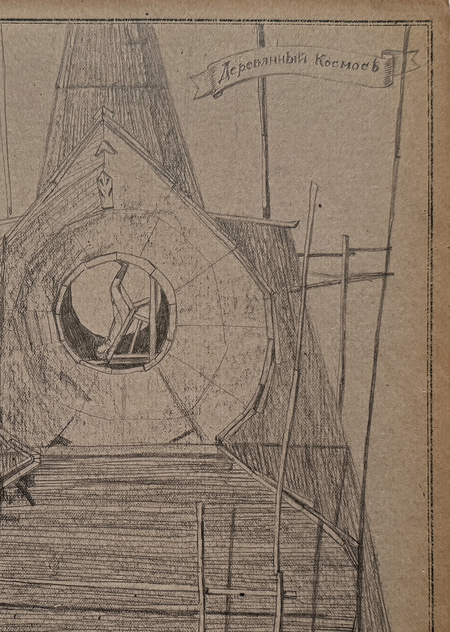
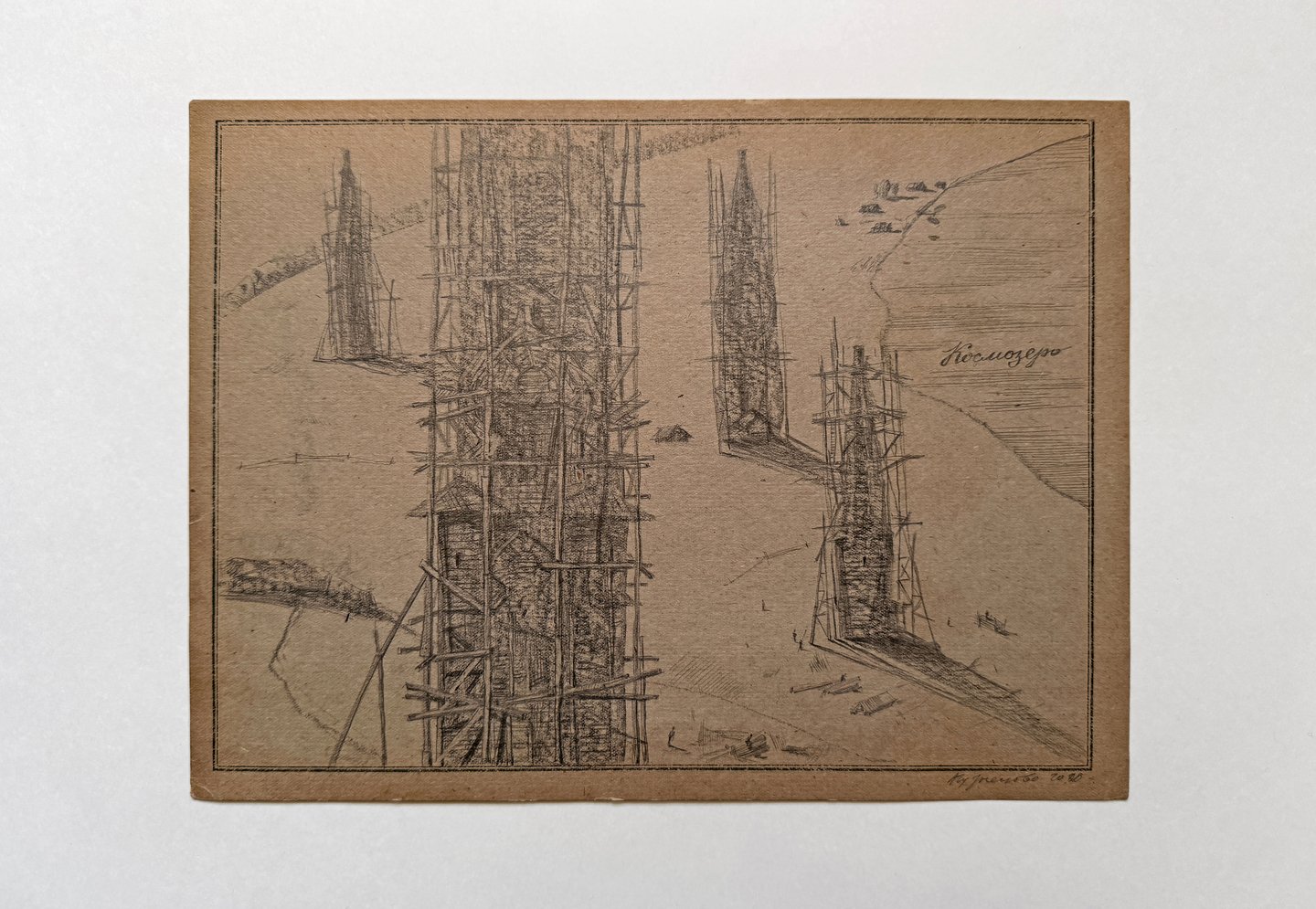
It is hypothesized that in the late 15th or early 16th centuries, a culture existed in the Russian North that left virtually no traces. This culture was presumed to have revolved around the creation of wooden spacecraft. The eloquent evidence and rudimentary legacy of this culture and its activities is Old Russian wooden architecture, particularly the tent-roofed churches, whose shape bears an incredible resemblance to rockets, and the so-called launch pad where a rocket is positioned prior to launch when these structures are found in forests during restoration. It is not surprising that the culture left virtually no trace—it is likely that the construction of wooden space rockets was successful, and all of them left Earth.

The author finds evidence of this civilization in folklore, in the etymology of certain place names—such as Kosmozero or Vospari-pole—and reconstructs its main monuments: wooden spacecraft and spaceports.
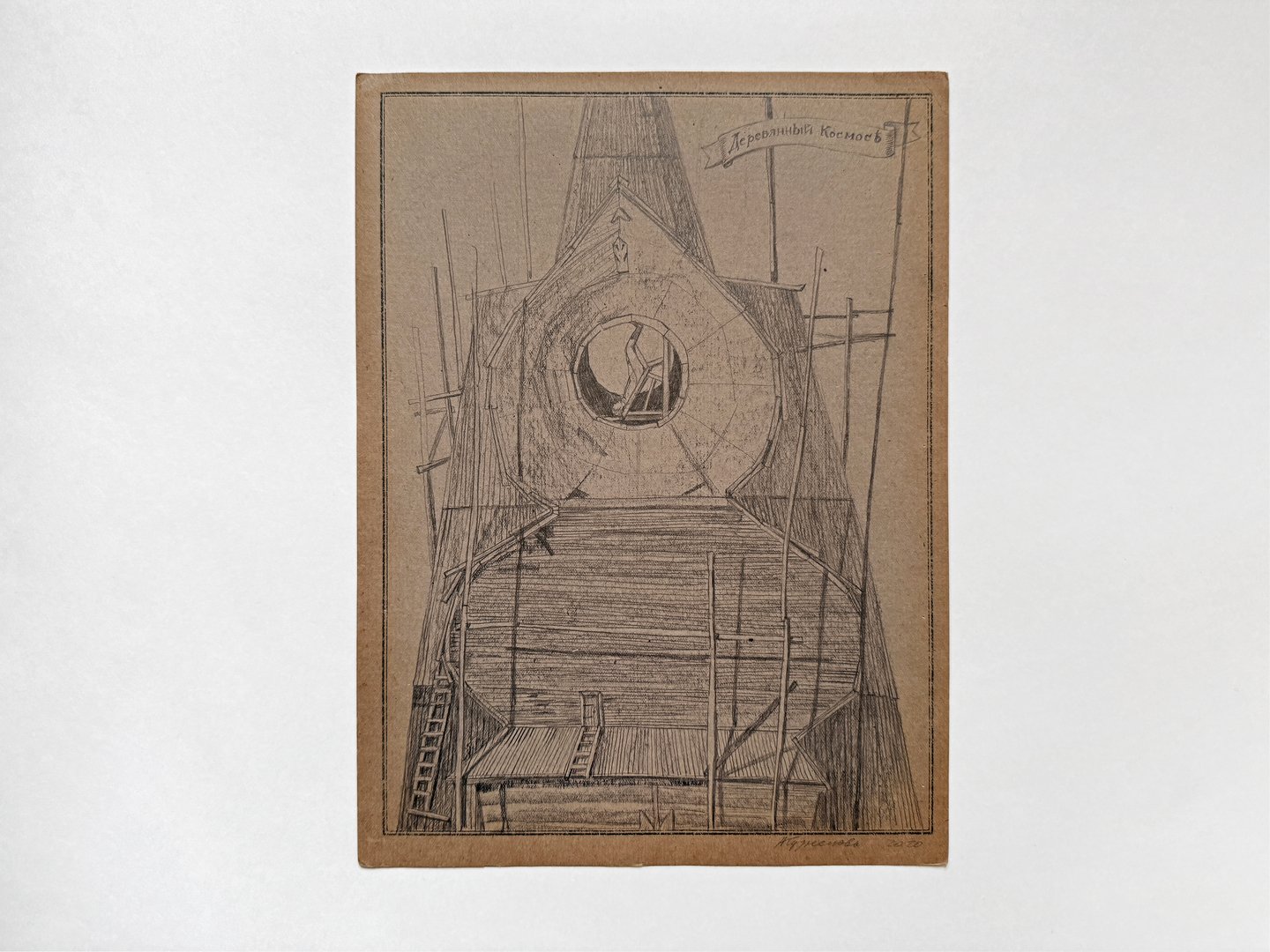
Original size 4960x3720

Wooden Cosmonaut Paper, graphite pencil, 24,5×32.5 cm
Original size 4960x3428

Wooden spacecraft. Cosmos Lake. Paper, graphite pencil, 32,5×24.5 cm
0
1/3

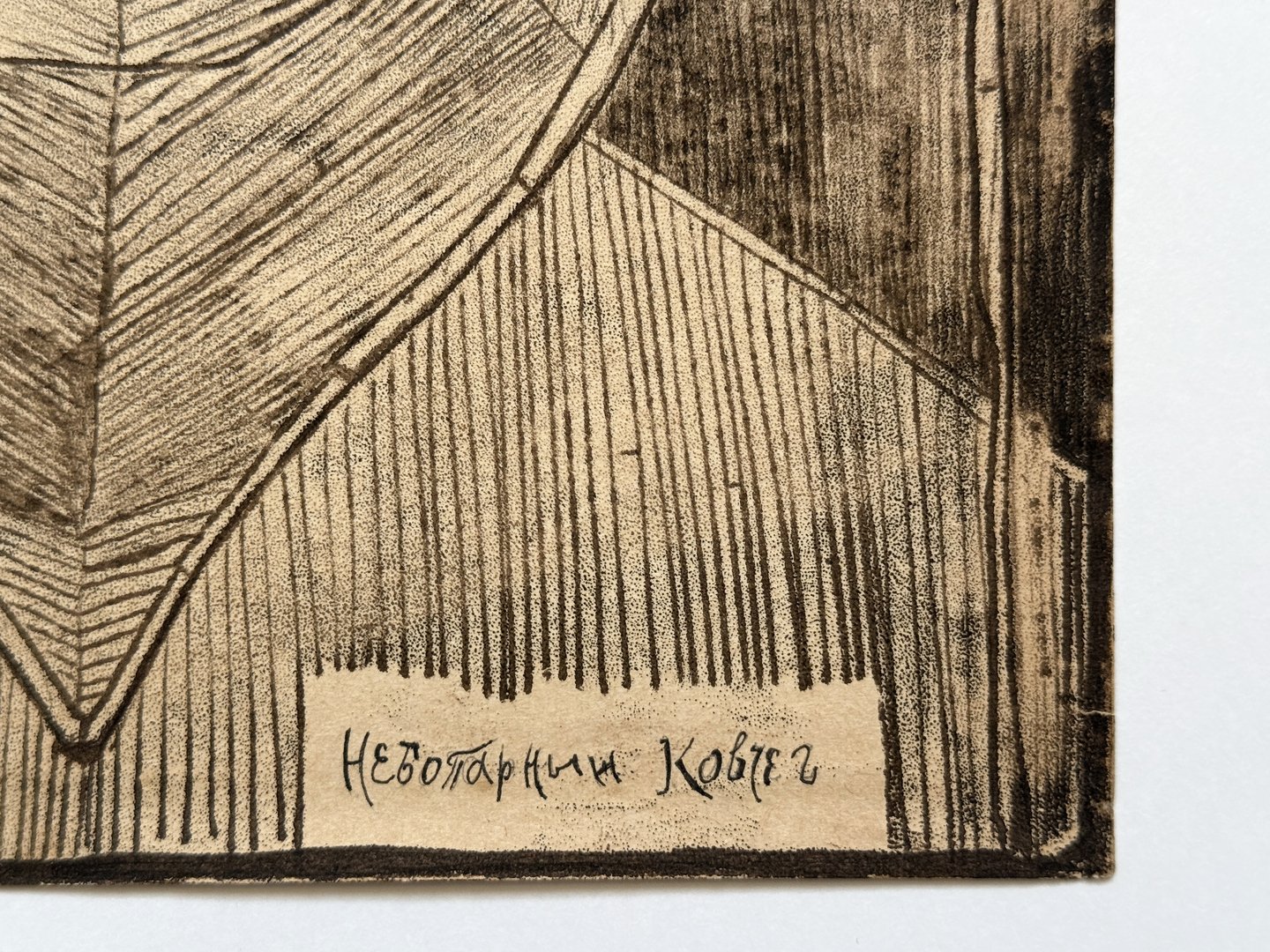
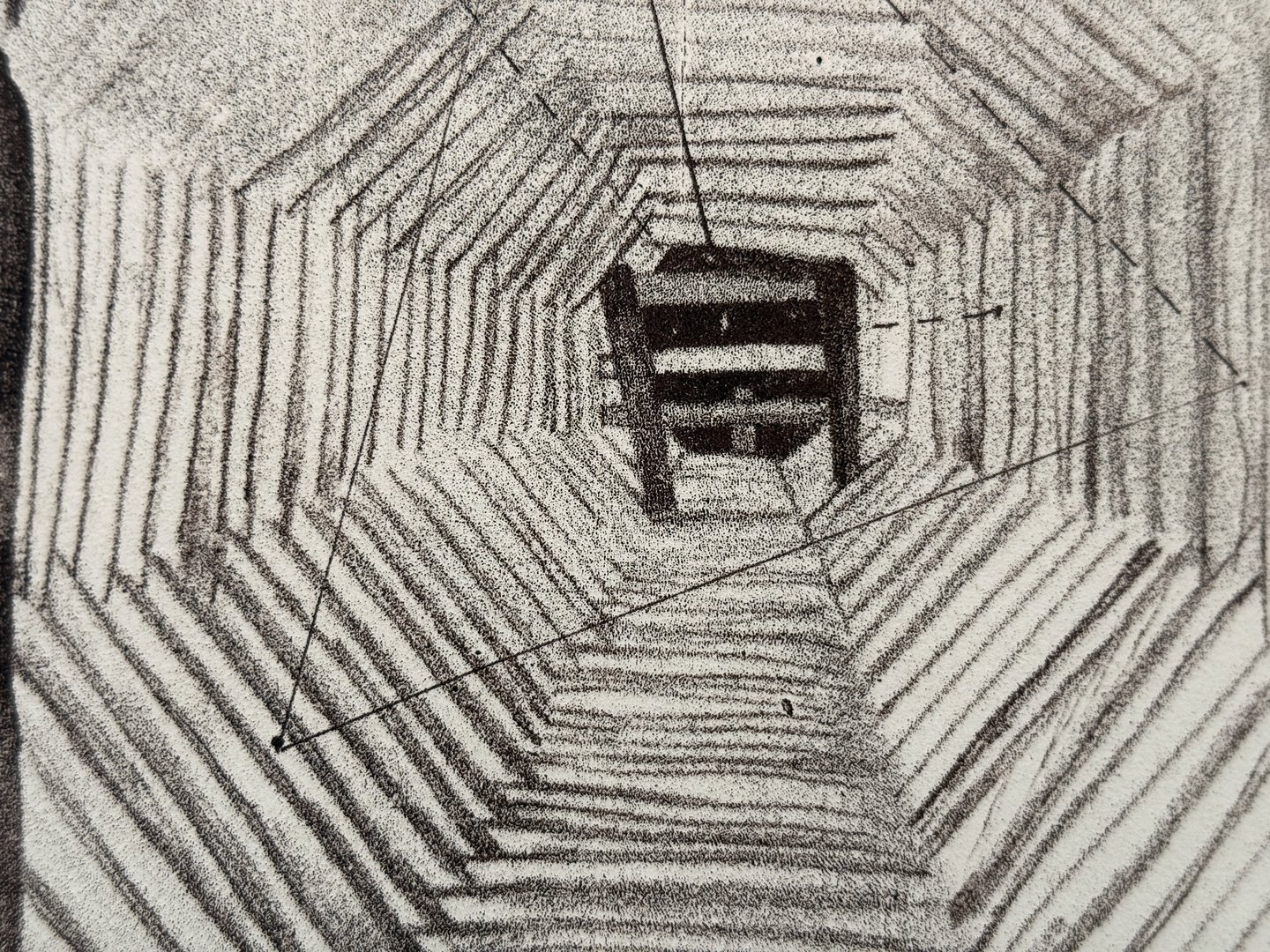
Wooden Cosmonaut. Celestial Ark and Heavens. Paper, dichromate print, 24,5×18.3 cm and 25×15.5 cm

Original size 4960x3449

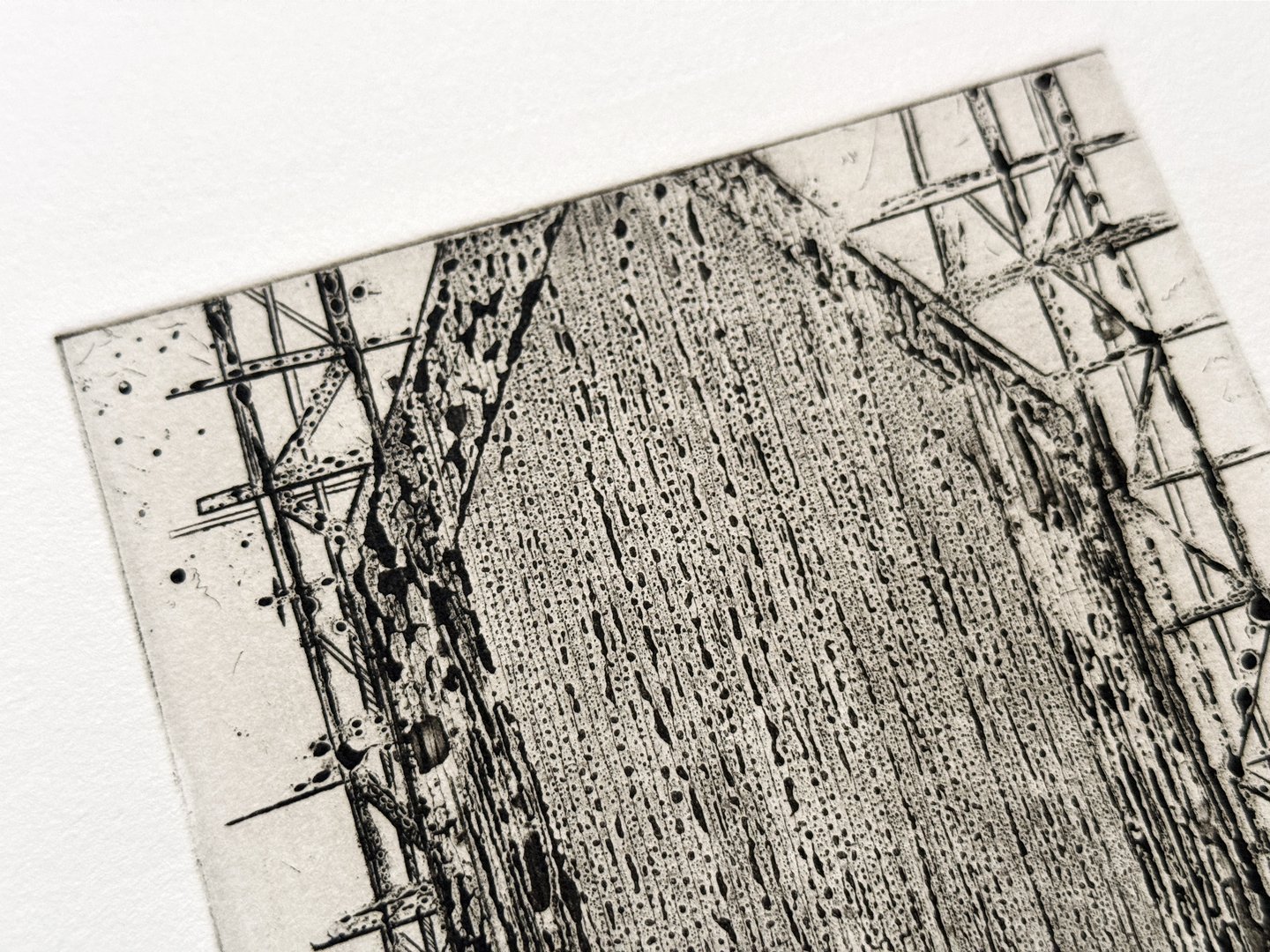
Wooden Cosmonaut. Volcanic Field. Paper, diaphanotype, 25,5×36 cm
0
1/2

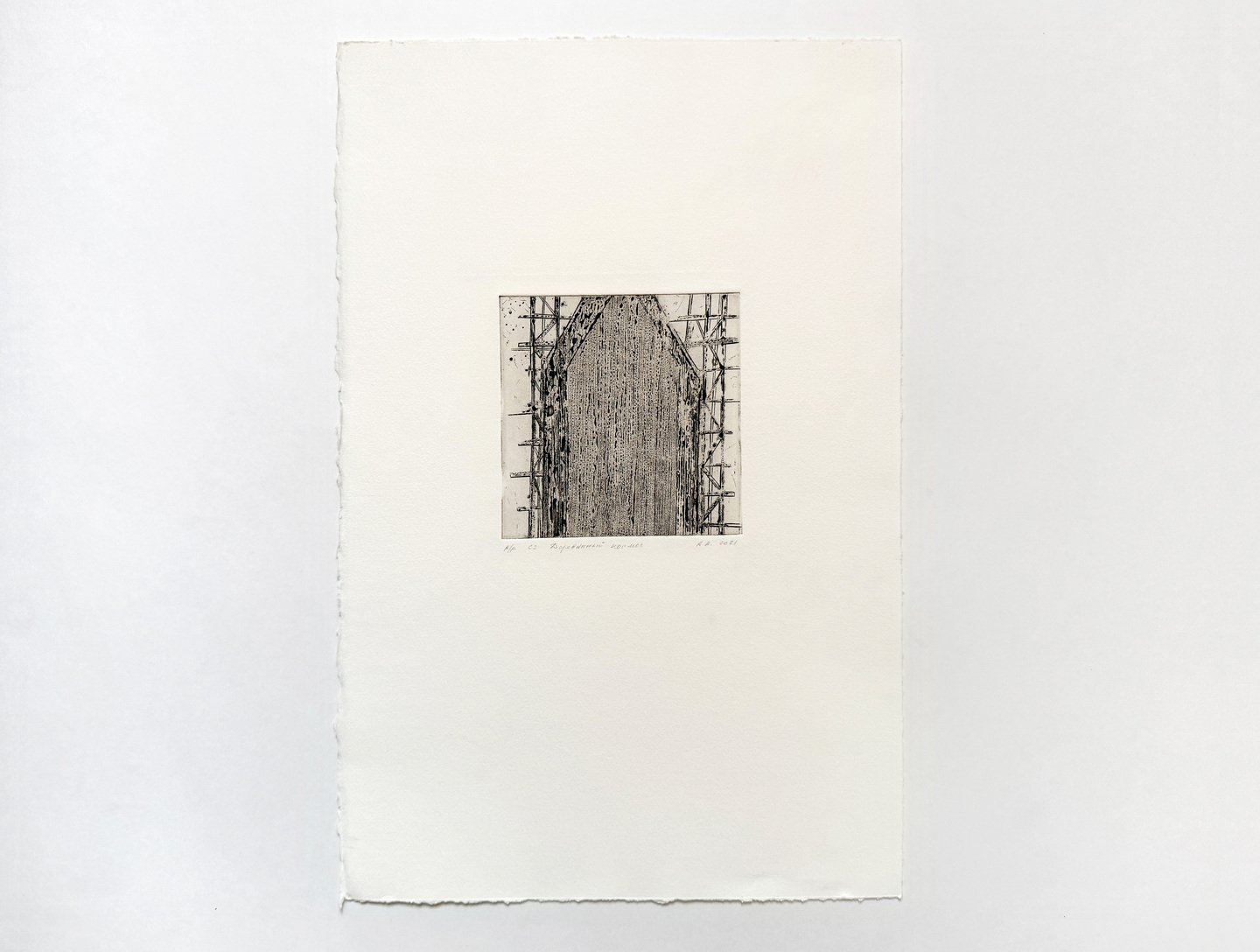
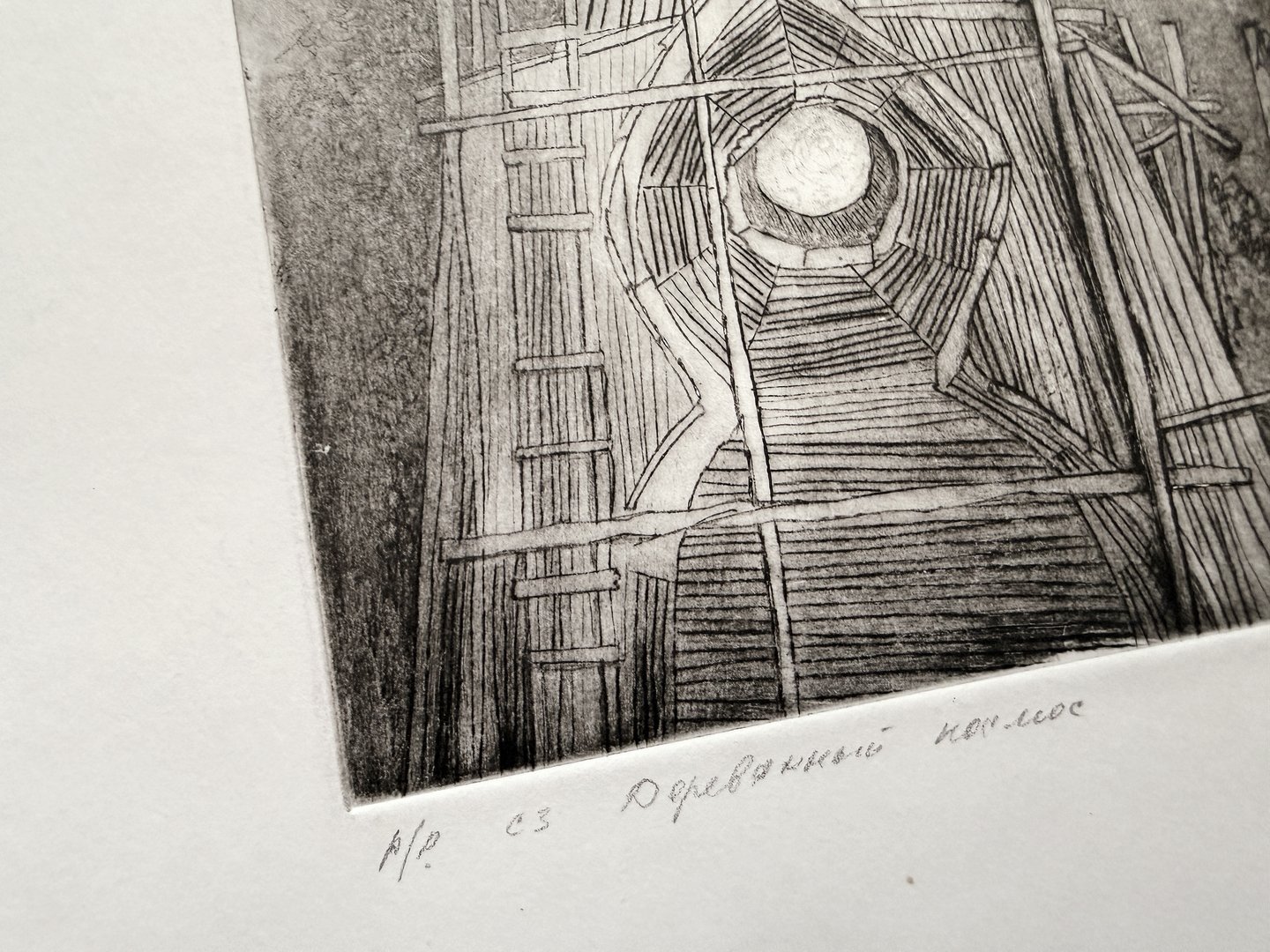
Wooden Cosmonaut Paper, etching, 42×27.5 cm
0
1/3

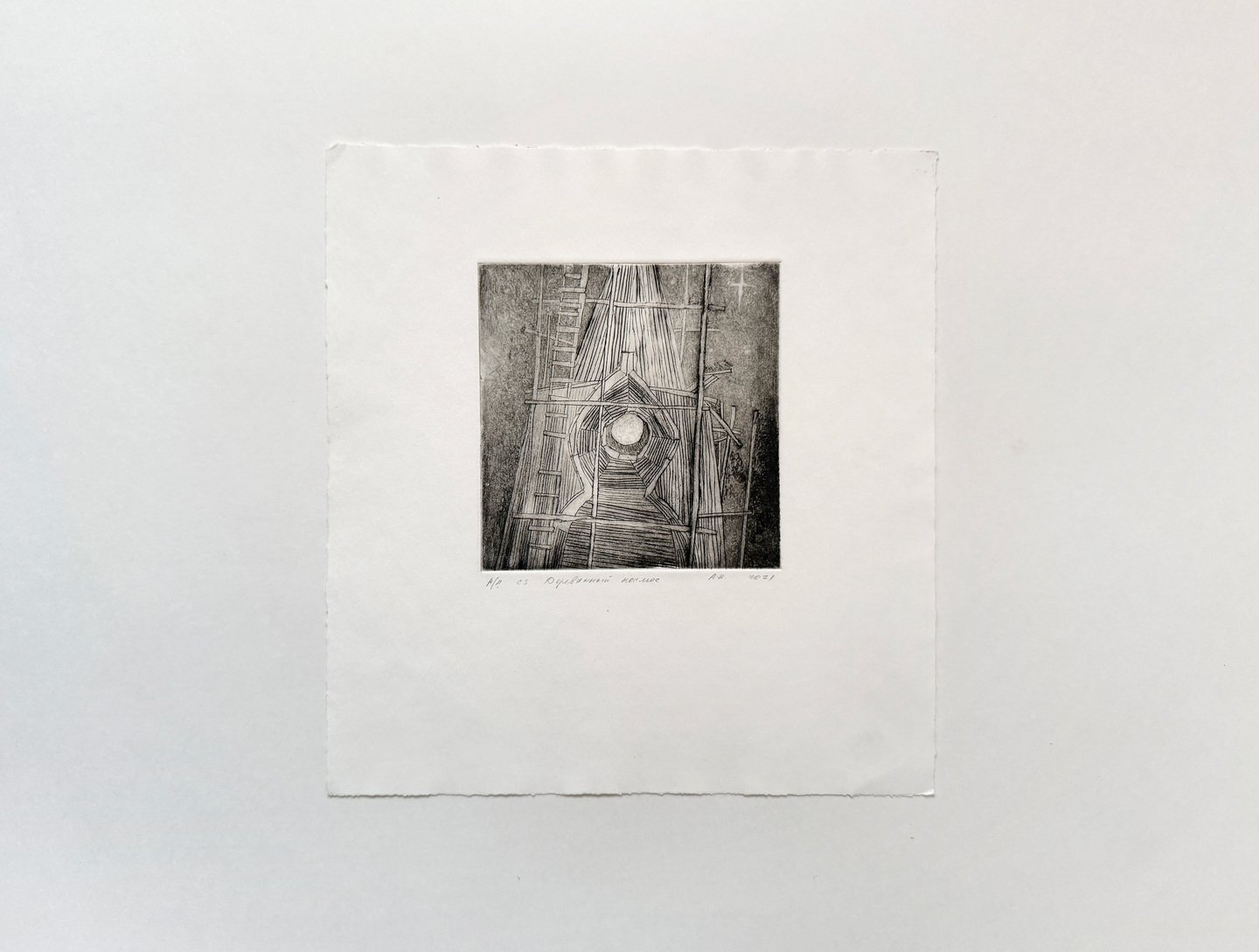
Wooden Cosmonaut Paper, etching, 25×23.5 cm
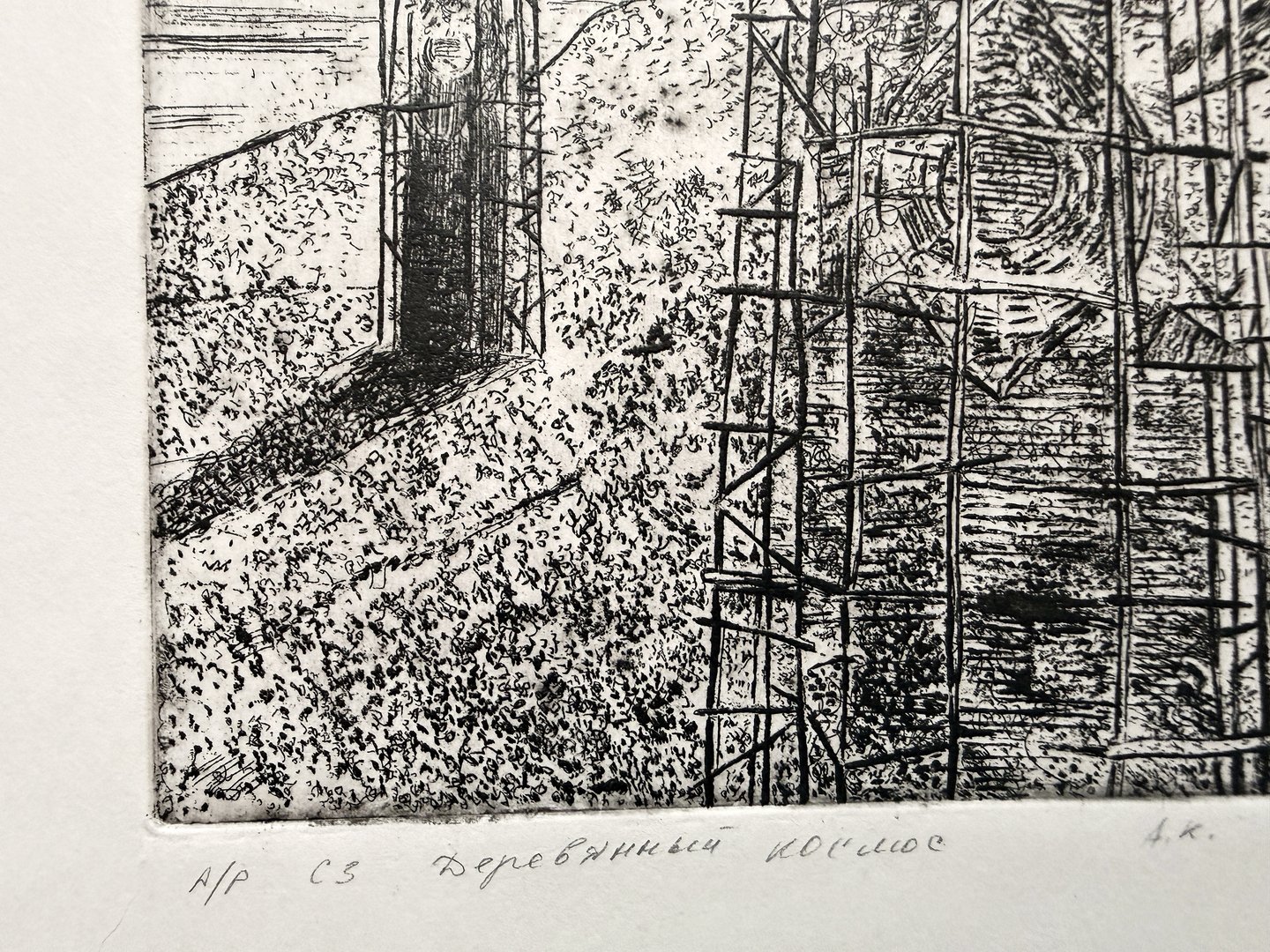
0
1/3

Wooden Cosmonaut Paper, etching, 31×17 cm
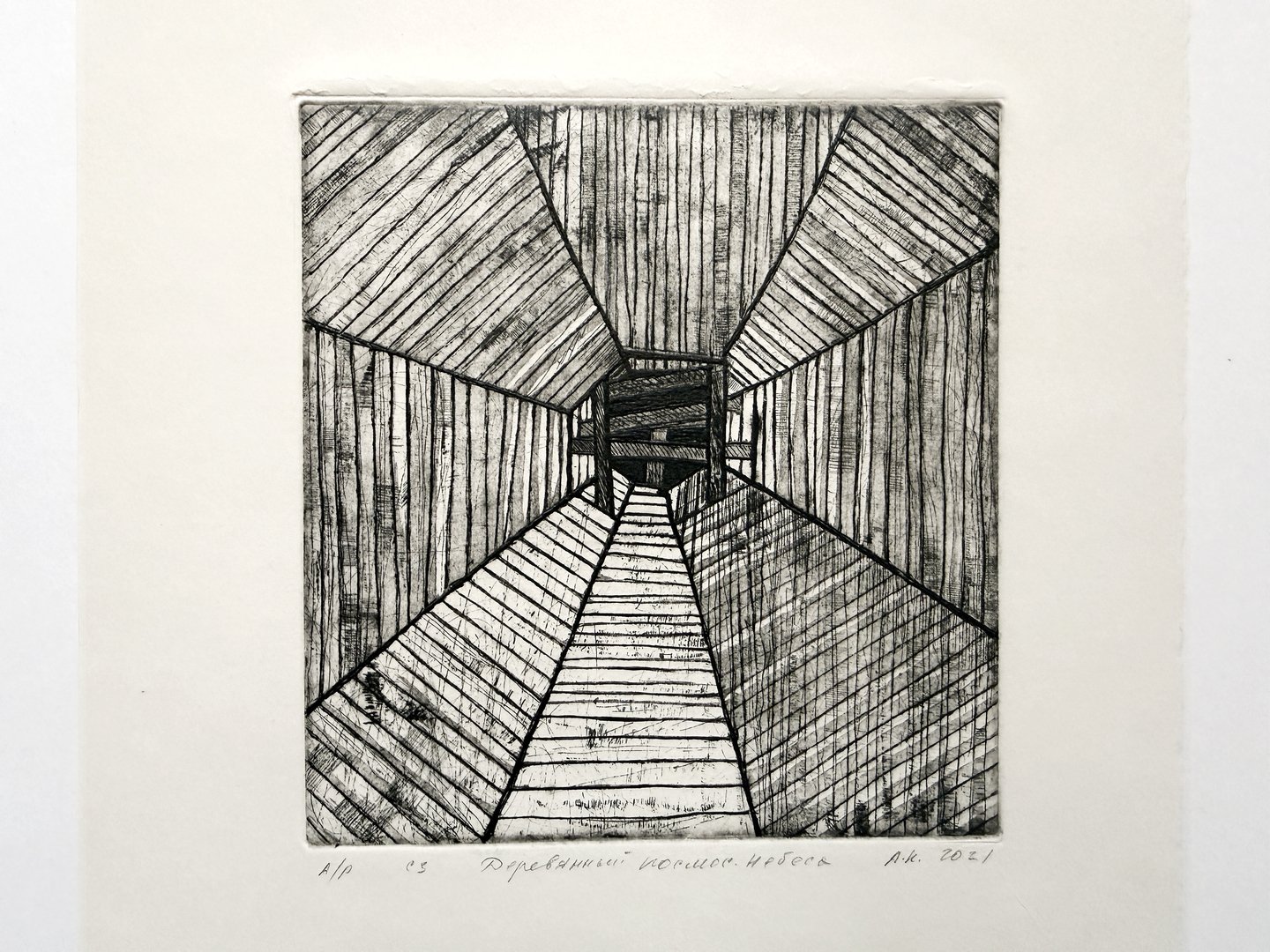
0
1/2

Wooden Cosmonaut Paper, etching, 31×18.7 cm
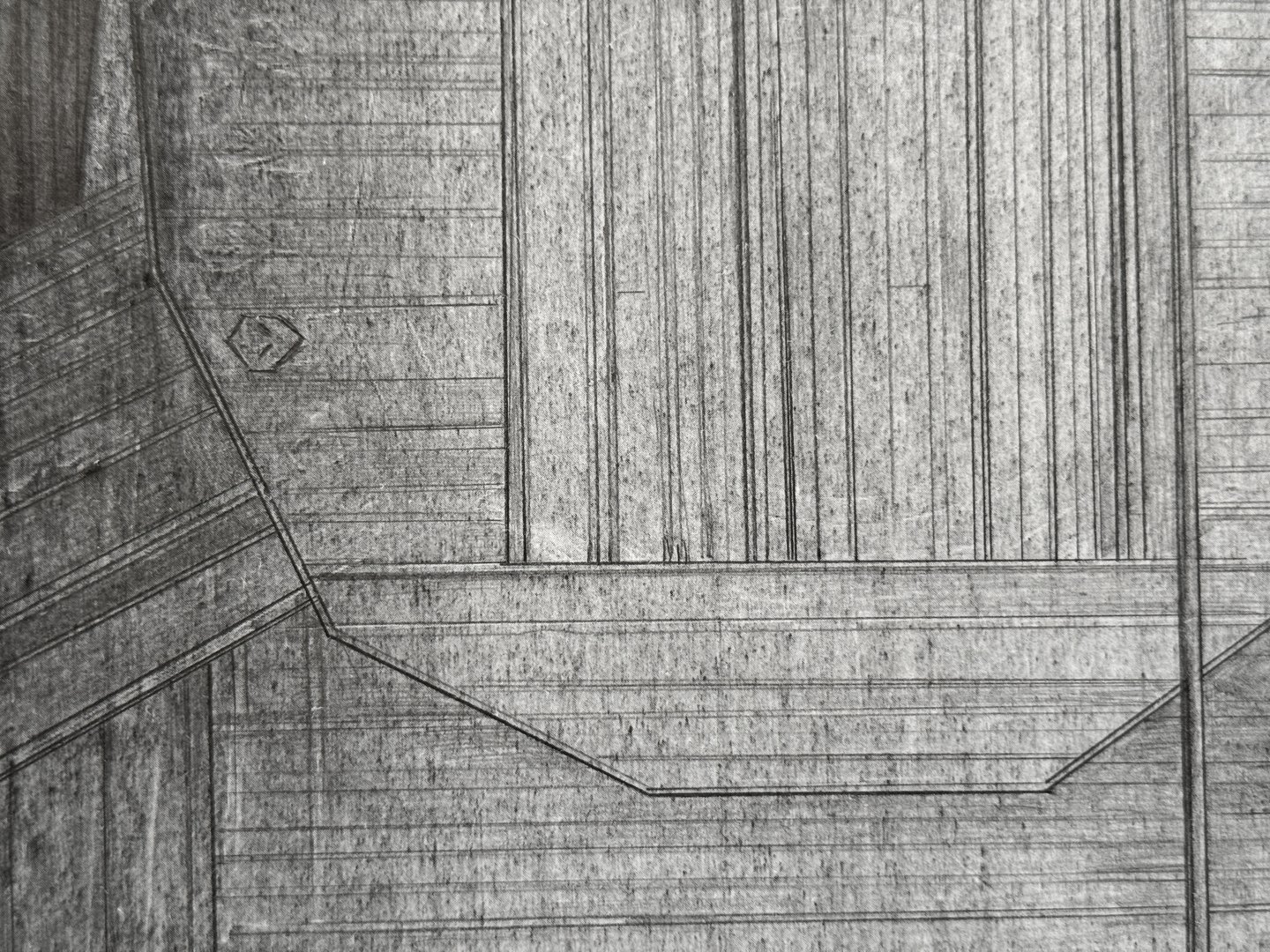
0
1/3

Wooden Cosmos Paper, digital print, graphite pencil, acrylic, 29,7×21 cm
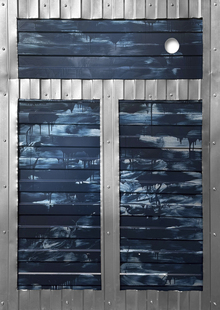
Wooden Cosmonaut
Александра Кузнецова создала серию графики, посвящённую гипотетической древнерусской культуре деревянных космических кораблей. Проект основывается на фольклорных и лингвистических подтверждениях, связанных с названиями мест и архитектурными формами шатровых храмов.
Project description created with AI
Project created at 06.05.2026
More projects in contemporary art
Алексей Гельд создал изобразительную серию «Предел видимости», исследующую тему ограничений и их влияния на восприятие реальности. Проект использует методы семантической подмены и визуальной компенсации, чтобы показать, как заборы формируют границы видимого и влияют на повседневное восприятие.
Александр Коробов создал серию из 13 открыток под названием «Открытки из нейтральной зоны». Проект включает в себя отдельные открытки и полный набор из всех 13 элементов, выставлялся на арт-фестивалях в 2023 и 2024 годах.
Художник Данакай Адлейба создал проект, исследующий тему принадлежности и хрупкости материального мира через скульптуры, живопись и графику. Проект включает в себя скульптуру «Кот на комоде», где поврежденный комод становится символом утраты и временной устойчивости объектов.
Автор рассказывает о хаотичном броуновском движении частиц и его параллелях с жизнью в текстовом проекте. Проект включает отражение внутреннего порядка через образ дома в Ткварчале, где автор находил покой.
start.hsedesign
The HSE Art and Design School spans 4 campuses, offering 9 bachelor's programs and approximately 40 specialized tracks. To apply, you must not only submit your documents on time but also upload your creative project—if required by your chosen program.
applicants’ projects
faculty of pre-university training
lyceum
online school
children's school
We use cookies to improve the operation of the HSE website and to enhance its usability. More detailed information on the use of cookies can be fou...
Show more